
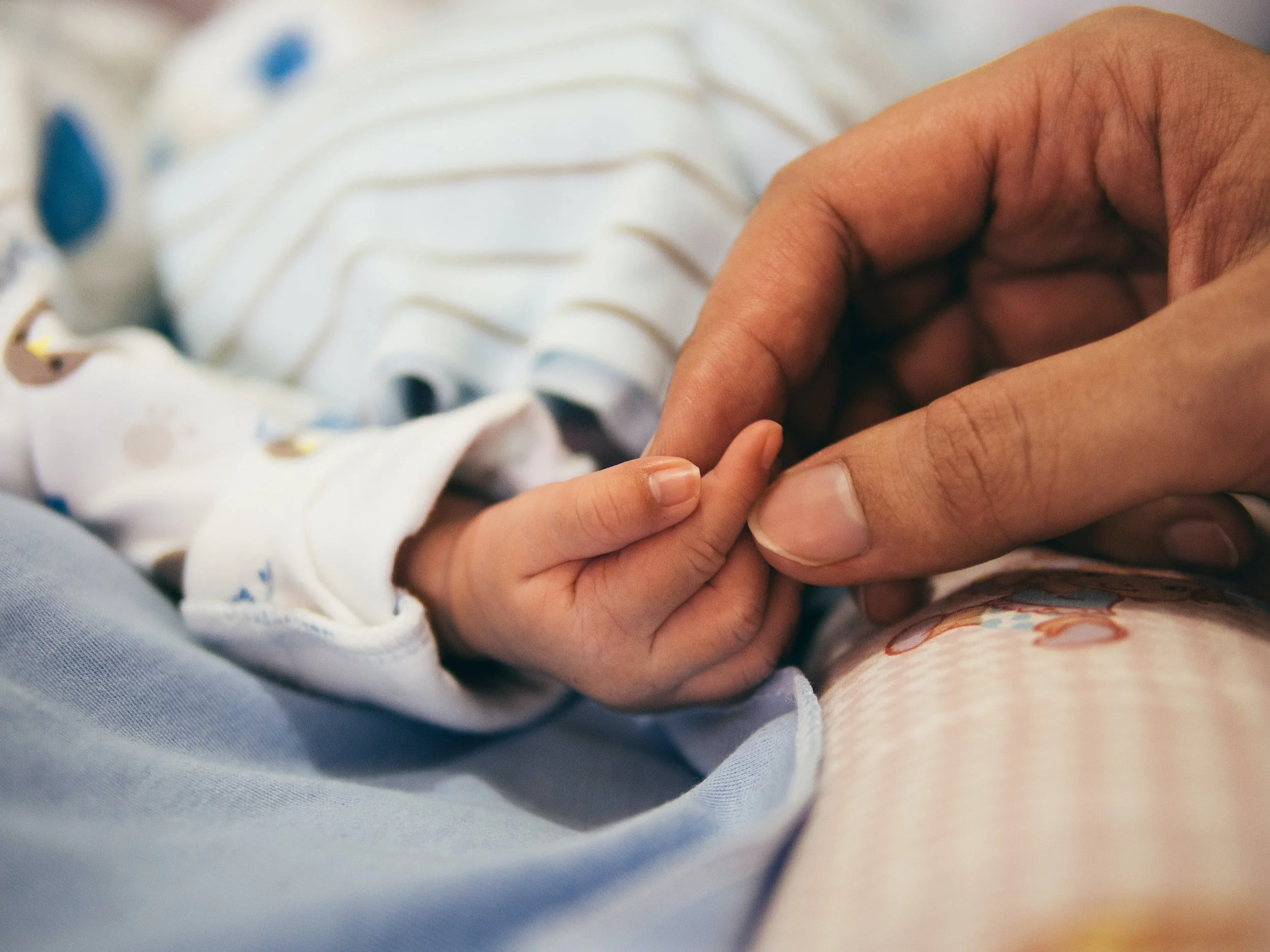
“Maternal deaths by race in Oklahoma for 2017-2019 showed that the maternal mortality rate among non-Hispanic White women was 25.4 maternal deaths per 100,000 live births, compared to the non-Hispanic African- American/Black women, whose rate was 1.6 times higher, recording 40.8 maternal deaths per 100,000 live births. ”
These services are at the heart of what IFW does, so please consider donating today so we can get our grant program back up and running for 2025 and beyond!
Midwifery Services
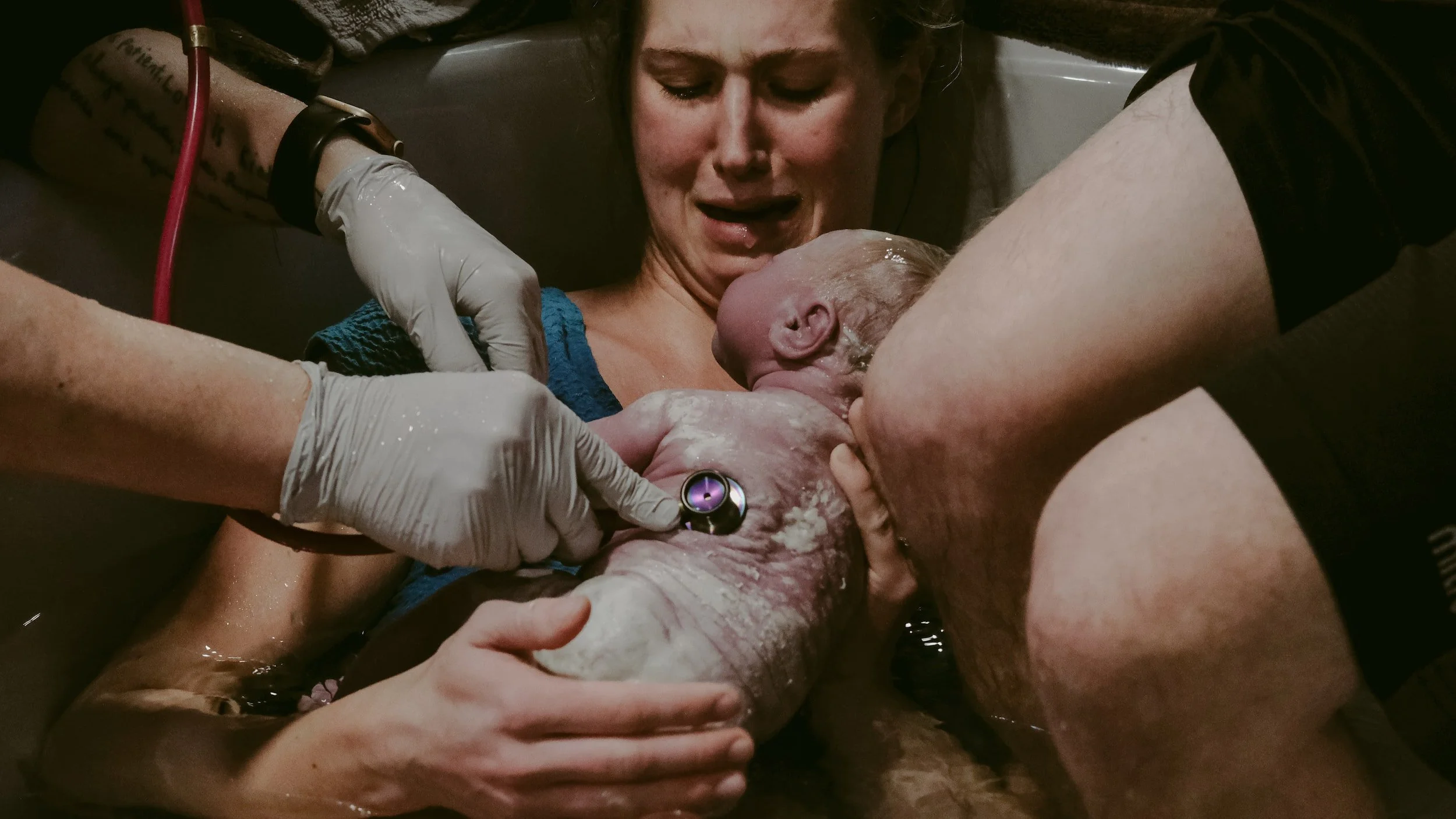
31.8% of women in the U.S. deliver by c-section when birthing in a hospital- that is 1 in every 3 babies being born via c-section. While only 5.2% births with a midwife end in a c-section. Home birth mothers have much lower rates of interventions in labor. While some interventions are necessary for the safety and health of the mother or baby, many are overused, are lacking scientific evidence of benefit, and even carry their own risks. Cautious and judicious use of intervention results in healthier outcomes and easier recovery, and this is an area in which midwives excel. Women who planned a home birth had fewer episiotomies, pitocin for labor augmentation, and epidurals.
These differences in intervention rates highlight the value of personalized, attentive care during childbirth. Midwives are trained to support the natural process of labor and birth, using evidence-based practices and prioritizing the mother's autonomy and preferences. By fostering a calm, supportive environment and monitoring both mother and baby closely, midwives can often prevent complications before they arise—reducing the need for invasive procedures. For many families, this approach not only leads to safer births but also contributes to a more positive and empowering birth experience overall. This is especially true in Perinatal Oklahoma care settings, where families are increasingly seeking alternatives that prioritize holistic, low-intervention birth options.
97% of babies were carried to full-term, they weighed an average of eight pounds at birth, and nearly 98% were being breastfed at the six-week postpartum visit with their midwife. Only 1% of babies required transfer to the hospital after birth, most for non-urgent conditions.

Chiropractic Care
Chiropractic care in pregnancy is vital to the normal physiological function of both the mother and baby throughout pregnancy and birth. The Webster Technique is a specific chiropractic sacral analysis and diversified adjustment. The goal of the adjustment is to reduce the effects of sacral subluxation/SI joint dysfunction. In doing so, neuro-biomechanical function in the pelvis is facilitated.
Sacral subluxation may contribute to difficult labor for the mother (i.e., dystocia), caused by inadequate uterine function, pelvic contraction, and baby mal-presentation. Correction of sacral subluxation may have a positive effect on all of these causes of dystocia.
Incorporating Perinatal Oklahoma Chiropractic care into a mother’s prenatal wellness plan can lead to improved pelvic balance, decreased discomfort, and optimal fetal positioning. Regular chiropractic adjustments during pregnancy may help reduce the need for interventions during labor and support a more comfortable, efficient birth experience. When the spine and pelvis are properly aligned, communication between the brain and body improves—benefiting not only the mother’s nervous system but also the baby’s development. As more families seek holistic options for pregnancy support, chiropractic care is becoming a trusted and evidence-informed choice for perinatal health in Oklahoma.

Doula Services
In the United States, new parents are not experiencing the support that historically they had when bringing a new child into the world. Families are busier and support from community is becoming more limited, this is where doulas assist.
The support is non-medical. Providing coaching, resources, a listening ear, space to feel heard and safe, advocacy, companionship, comfort measures, and so much more.
Doulas help fill the gap by offering continuous, personalized care throughout pregnancy, birth, and the postpartum period. Their presence has been shown to reduce rates of unnecessary interventions, improve birth satisfaction, and even shorten labor.
Oklahoma families benefit greatly from doula care, as it supports emotional well-being, informed decision-making, and a smoother transition into parenthood.

Maternal Mental Health
Postpartum depression (PPD) occurs in an estimated 1 in 8 women that give birth every year. The onset of depressive, sad, or pessimistic feelings that may interfere with daily activities usually occurs during the six months after giving birth but this onset of symptoms can happen up to one year postpartum.
Oklahoma PRAMS, for years 2016-2019, reported 16.1% of new mothers had experienced symptoms of postpartum depression. Almost 19% of Non- Hispanic Black mothers reported this issue compared to Non-Hispanic White mothers at 16.7%. Depressive symptoms among Non-Hispanic American Indian mothers were reported for 14.8%, while Hispanic mothers reported depression least often at 11.7%.
These statistics reflect not only a medical concern but also a systemic gap in maternal care and emotional support. Many mothers feel isolated, overwhelmed, or hesitant to speak up about their struggles due to stigma or lack of resources. Raising awareness, normalizing conversations around postpartum mental health, and improving access to culturally competent care are essential steps toward better outcomes.
Perinatal Oklahoma initiatives that integrate community-based programs, mental health screenings during prenatal and postpartum visits, and wraparound support services like doulas and lactation consultants can play a critical role in identifying and addressing these mental health challenges early.
Contact Us to Learn More
Fill out our contact form at the link below or speak to one of the team members directly at (918) 710-5742.